The Ultimate Budget Interior Design Guide for 2026: Luxury Looks for Less
Master the art of affordable interior design with our 2026 guide. Learn expert hacks to achieve a high-end look on a budget, from smart shopping to strategic decor.
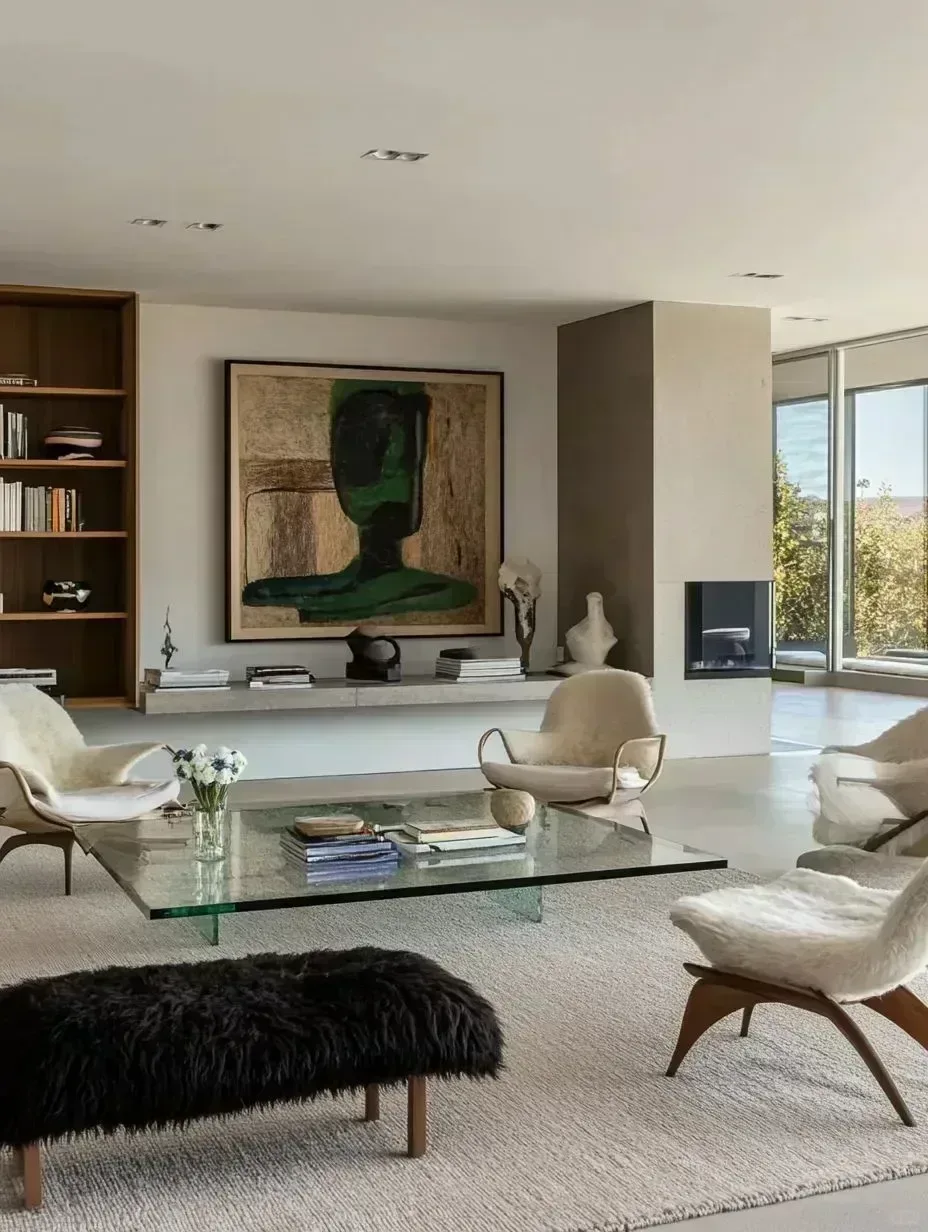
Achieving a luxurious, magazine-worthy home doesn’t require a millionaire’s budget. As we head into 2026, the trend is shifting towards smart, budget interior design—creating high-impact spaces through creativity, strategic spending, and savvy sourcing. Whether you’re furnishing a new apartment or refreshing a tired living room, this guide will show you how to get the look for less.
1. Plan with a Digital Moodboard
The biggest budget-killer in interior design is impulse buying. Purchasing items that don’t match or fit leads to wasted money and cluttered spaces.
- The Fix: Start with a digital moodboard. Use free tools or work with an online interior designer to visualize your room cohesively. Seeing how rug patterns, paint colors, and furniture styles work together before you buy ensures every dollar is well spent.
2. The “High-Low” Mix
Professional designers swear by the “High-Low” rule: invest in key statement pieces and save on trends and accents.
- Splurge: Spend more on items you use daily, like your sofa or mattress. Quality here ensures longevity and comfort.
- Save: Go budget-friendly on throw pillows, rugs, lamps, and decorative objects. These are easy to swap out as trends change. Stores like IKEA, Target, and H&M Home offer stylish decor that looks far more expensive than it is.
3. Paint: The Ultimate Transformer
Paint is the cheapest way to make a massive impact. In 2026, we’re seeing a move away from stark whites to warm neutrals and bold, moody accent walls.
- Tip: Don’t just paint the walls—consider painting a thrifted dresser or your kitchen cabinets. A quart of high-quality paint costs under $30 but can add hundreds of dollars in perceived value to your space.
4. Lighting is Everything
Bad lighting makes even expensive furniture look cheap. Good lighting makes a budget room look high-end.
- Layer Your Lighting: Avoid relying solely on the “big light” (ceiling fixture). Use a mix of floor lamps, table lamps, and wall sconces to create warmth and depth.
- Scale Matters: A common mistake is buying light fixtures that are too small. Oversized pendant lights or lamps make a bold design statement and act as focal points.
5. Shop Secondhand and Vintage
Sustainability is a key theme for 2026. Vintage pieces add character and soul that mass-produced furniture can’t replicate.
- Where to Look: Facebook Marketplace, local thrift stores, and estate sales are goldmines. Look for solid wood furniture with “good bones”—scratches can be sanded, and fabrics can be reupholstered.
- The Mix: Pairing a modern sofa with a vintage coffee table creates an eclectic, curated look that feels expensive and unique.
6. Curate, Don’t Clutter
Minimalism is still relevant, but “warm minimalism” is the goal.
- Negative Space: Leave some walls and surfaces empty. Negative space allows the eye to rest and highlights the beautiful pieces you do have.
- Edit Ruthlessly: If an item doesn’t serve a function or bring you joy, donate it. A clutter-free space instantly feels larger and more luxurious.
7. Use Mirrors Strategically
Mirrors are a budget decorator’s best friend. They reflect light and trick the eye into thinking a room is twice as big.
- Placement: Place a large mirror opposite a window to bounce natural light around the room. An oversized leaner mirror can make a small apartment feel grand.
Conclusion
Budget interior design isn’t about compromising; it’s about being intentional. By planning ahead, mixing price points, and focusing on high-impact updates like paint and lighting, you can create a home that looks and feels custom-designed.
Want professional help stretching your budget? Decozie’s designers specialize in creating stunning looks for any price point. Check out our portfolio for inspiration!
